


Since the onset of the Trump administration, the Education Department under the leadership of Secretary Betsy DeVos has taken steps to withdraw from or reverse several Obama-era regulations across K-12 and higher education. And last week, the department released plans for another negotiated rulemaking session, signaling greater efforts to deregulate the sector.
Here we break down what's on the chopping block and what's in the works, taking a side-by-side look at the original Obama administration rule and the Trump administration stance on it as of August 2018.
On the chopping block
Accreditation standards
- Obama: President Obama was vocal about wanting to create a new accountability system for higher education accrediting bodies, the gatekeepers to federal aid for institutions. The department implemented the College Scorecard site to provide more data around institutional success and adopted a hard-line approach toward accreditors, especially after the failure of for-profits Corinthian Colleges and ITT Technical Institute left thousands of students in debt and displaced. These steps included creating more stringent experience standards needed for an accrediting group to be recognized and posing more oversight by the Ed Department on accreditor actions and decision letters.
- Trump: Top officials in DeVos' department have said that Obama-era regulations around accrediting bodies restrict innovation within the industry and place heavy regulatory burdens on them, limiting their ability to tolerate risk. In the new round of rulemaking, the department plans to drop the standard definition of the academic credit hour, reevaluate requirements involved in accreditor oversight for member institutions and simplify the criteria the secretary uses to recognize an accrediting body.
For insight on accreditation rules, click here. For a look at difficulties of measuring accountability overall, click here.
The credit hour, competency-based education
- Obama: In 2010, the Education Department released a broad set of rules aimed at "protecting students from aggressive or misleading recruiting practices, providing consumers with better information about the effectiveness of career college and training programs, and ensuring that only eligible students or programs receive aid." As part of that aim, the administration created a standard definition for the credit hour to be used to determine eligibility for federal financial aid and as a standard for accreditation. The rule says that it takes into account "equivalent measurement of learning outcomes," and the department dabbled in experimental federal aid options for providers like MOOCs and coding boot camps, but all within the limits of a regulation that only 50% academic programs can be outsourced to nonaccredited education services.
- Trump: In an interview with Inside Higher Ed, one of the Education Department's top officials, Diane Auer Jones, said the administration wants more room for innovation within the industry and dropping the standard definition of the credit hour falls in line with that. Jones said the credit hour requirement has made it difficult for alternative providers, especially those with competency-based education programs, to be eligible for federal aid. Jones mentioned that in the upcoming rulemaking session, CBE is on the table and said there's bipartisan support for opening short-term Pell Grants to these types of programs.
To see more insight on the credit hour standard, go here.
Gainful employment
- Obama: In 2014, the department released the “gainful employment” regulation in an effort to curb overwhelming student loan debt and ensure "colleges accepting federal funds protect students, cut costs and improve outcomes." In effect since 2015, the rule required that most for-profit programs and certificate programs at private nonprofit and public institutions “prepare students for 'gainful employment in a recognized occupation.'" This rule cut off federally guaranteed student loans to for-profit colleges if they couldn't show their students were able to pay back their loans given the income earned post-college.
- Trump: In 2017, DeVos announced plans to rework the gainful employment rule because "it became clear that, as written, it is overly burdensome and confusing for institutions of higher education." After postponing the rule from going into effect this year, the department announced plans to repeal the rule altogether. Jones said in her interview with Inside Higher Ed that the department couldn't speak to specific plans for replacement of the rule, but that "additional Scorecard data will ensure all accreditors have the same information to assess institutions."
For insight into debates around gainful employment, click here.
Borrowers defense to repayment
- Obama: In another move to address what it perceived as the predatory behavior of for-profit institutions, the Obama administration finalized rules on student loan forgiveness in 2016 by beefing up the pre-existing statute of "borrower defense to repayment." The provision allows students who feel they had been victims of fraud to seek loan forgiveness from the federal government. U.S. Under Secretary of Education Ted Mitchell explained on the department’s website that the rule would protect taxpayers by requiring institutions to put up collateral when they're at risk of closure. “For students who are injured by an institution's conduct, these regulations provide a clear path to relief with all of their rights intact, and restore their right to sue."
- Trump: On July 25, the department released proposed regulations to revise the borrower defense regulation. According to the National Law Review, the proposed regulation establishes a new standard for borrowers to raise a defense against loan repayment, changes the definition of borrower defense to only include acts made with "known falsity, intent to deceive, or reckless disregard for the truth." Also, it makes it so that group claims are not permitted and amends institutional financial responsibility standards, among other steps. Forbes reported the language of the proposal also includes "a potential requirement that student borrowers default on their loans before pursuing relief."
Want to know more about borrower defense to repayment? Click here.
State authorization for distance education
- Obama: In 2016, the department proposed regulations to go into effect by 2018 that would "improve oversight and protect more than 5.5 million distance education students" by clarifying standards in the Higher Education Act around state authorization and eligibility for financial aid. The guidelines were part of the administration's "program integrity" policies and it was set to require all online education providers to show they are approved by the state in order to operate and enroll students.
- Trump: In May, the Education Department announced it would delay the start date of the regulation for two more years in order to have another public comment period. Progress on this regulation will be discussed in the upcoming round of negotiated rulemaking, with DeVos saying in the Federal Register announcement that the delay was necessary "based on concerns recently raised by regulated parties."
To find out more about state authorization and distance education, go here.
Changes already in place
Title
- Obama: In 2011, the Department of Education issued far-reaching guidance that puts the onus on postsecondary institutions to combat and appropriately handle cases of sexual misconduct under Title IX, the federal law prohibiting sexual discrimination. The guidance also supported a "preponderance of evidence" standard that said if it is more than likely an act of sexual violence or harassment occurred, the institution must handle it. The department later followed up on Title IX regulations in 2016 a letter reaffirming its mission to defend the rights of transgender students, saying that institutions must protect the rights of LGBTQ students to use bathrooms, locker rooms and participate in athletic teams, among other freedoms.
- Trump: In 2017, the Trump administration formally rescinded the 2011 guidance on how cases should be handled. In a Q&A document, the department affirms that it is the college's responsibility to respond to a sexual misconduct complaint. However, the administration shifted away from preponderance of evidence, noting a trained investigator must evaluate the availability of evidence before punitive steps can be taken. The administration also withdrew the guidance on transgender students, with DeVos saying it was surrounded by too many legal issues and did not undergo a formal public process before being released.
For insight on this topic, go here.
Affirmative action
Obama: In the 2011 guidance made jointly with the Department of Justice and Education Department and again in a 2016 guidance, the Obama administration elaborated on how race could be considered as a factor in college admissions in order to diversify student populations. Though it didn't have the force of law, the documents did show how the administration would consider complaints around admissions. ​
- Trump: The Trump administration on July 5 rescinded the guidance documents with officials arguing they go beyond the Supreme Court affirmative action precedent. "The Supreme Court has determined what affirmative action policies are constitutional, and the Court’s written decisions are the best guide for navigating this complex issue. Schools should continue to offer equal opportunities for all students while abiding by the law," DeVos said in a statement.

Source link: https://www.educationdive.com/news/how-betsy-devos-is-upending-the-obama-era-legacy-of-higher-education/529025/ | https://www.educationdive.com/news/how-betsy-devos-is-upending-the-obama-era-legacy-of-higher-education/529025/
-
 Unpacking the data: Australia’s public university caps...
 US & Japan launch $110m AI partnerships...
 VICTORIA UNIVERSITY OPENS ITS FIRST CAMPUS IN BRISBANE...
 Florida Is No 1 in Education, but Some Give DeSantis an 'F' for Reforms...
-
 Norway confirms end of free non-EU tuition to dismay of student groups...
 University of Waikato proposing staff cuts to IT, maths departments...
 Otago University withheld extent of financial straits from staff...
 'Stealing from the future': Victoria University students, academics rally against proposed cuts...
-
 Cost-of-living boost for parents as free schoolbooks scheme expanded...
 ATU: More than 600 programmes, from pre-degree to doctoral level...
 Higher Options and Worldskills Ireland events to run side-by-side in RDS next September...
 Prime Minister to inaugurate medical college in Silvassa on April 25-Education News...
-
 IIT Jodhpur starts a specialised MBA programme (online) in FinTech and Cybersecurity for working pro...
 LPU listed among world's top universities alongside Harvard and Oxford-Education News...
 NEET Exam Postponed for Students with Test Centres in Violence-Hit Manipur-Education News...
 Makhanlal Chaturvedi University, UNFPA to include gender concerns in curriculum-Education News...
-
 A "pathway to Finland" - the boost needed for its 2030 goal?...
 Security of online proctoring - lessons from the pandemic for test providers and accepting instituti...
 "Education fever": changing international study trends in South Korea...
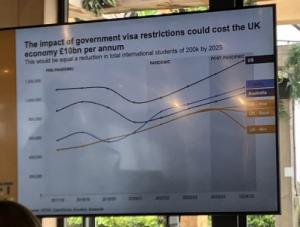 Visa restrictions could cost UK £10 billion yearly...
-
 Australia consulting on upcoming changes in overseas student reform...
 UK's international recruitment boom 'unsustainable' – IHEC...
 Migration row: new data shows value of foreign students...
 The cost of being a 'public good academic' in South Africa...
-
 Australia, Canada dominate this year's THE Impact Rankings...
 Australia: Over 1 lakh Indian students to benefit from post-study work visa...
 NMIMS, Virginia Tech in US to offer India's first dual-degree master's programme in Economics...
 64 Indian universities make it to the Center for World University Rankings 2023...
-
 IIT Kanpur Launches 'Online Rural Education Initiative' to Bridge Educational Gap in Uttar Pradesh...
 Canada Approves TOEFL iBT for Student Direct Stream, Introduces Shorter Test Duration...
 Establishment of entrepreneurial universities urgent...
 China overtakes US in contributions to nature and science journals...
-
 Third G20 Education Working Group meet to be held in Bhubaneswar from April 27-29...
 International students need more help with employability...
 International student recruitment hit by dependants' ban...
 Victorian students reading scores went backwards amid long remote learning period, international stu...
-
 United Kingdom bars most international students from bringing family ...
 Australian universities ban Indian students from THESE 5 states amid visa fraud...
 University of Ghana Approves 2% Discount on Fees For Selected Categories of Students...
 Indian universities eyeing African and Gulf nations, Thailand, Vietnam to set up offshore campuses: ...
-
 Some foreign universities doubling up as centres of subversive anti-India activities: VP Dhankhar ...
 Indian students in UK bring net positive impact, report finds amid fears of crackdown ...
 HE budget increased, but universities still under pressure...
 False affiliations boost Saudi university rankings - Report...
-
 New recognition convention boosts HE mobility, integration...
 Danish universities emerge as top Horizon grant recipients...
 Economy fuels debate over fund's exclusion of private HE...
 Rule aims to limit students seeking skills training abroad...
-
 Number of students studying abroad triples over 16 years...
 New HE legislation opens door to foreign branch campuses...
 Academic freedom violations in public institutions are increasing...
 College Board to Revise African American AP Course Again, Admits to Cowing to Conservative Pressure...
-
 CWUR ranking: ELTE is the leading university in Hungary, but other Hungarian universities are also o...
 Hungary's largest private education institution MCC purchases top private university in Austria...
 100 global entities to attend Riyadh education, science forum...
 Gulf focus on education praised by Riyadh forum...
-
 HEA Conference - 'Supporting Success through Wellbeing in Higher Education'...
 Ministry of Education announces program for tackling peer bullying...
 Turkiye's education council starts int'l research support programs...
 Hybrid education model starts in Turkish universities...
-
 Turkish, Pakistani universities ink joint research collaboration...
 4 Turkish universities to launch vocational cybersecurity schools...
 Egypt to enrol international students fleeing Sudan...
 Global Reach partners with E2 on test prep...
-
 Africa in focus at UK ENIC conference...
 IIT Madras to open first campus in East Africa...
 Why the Next Wave of International Students May Come From Africa...
 The next digital leap for higher education institutions...
-
 Hanken School of Economics introduces English Bachelor's Program and appoints new vice-rectors...
 Helsinki proposes more flexibility for applying to high schools - new high school on the way too!...
 Overhaul of certificate-based admission to universities planned for 2026...
 Education Fair to enable students meet and talk with education providers...
-
 Network's industry partnerships secure jobs for graduates...
 Technology: The best teaching assistant the world has seen?...
 Universities urged to diversify overseas target markets...
 Local university enrolments drop as foreign students return...
-
 US leads in 32 subjects and UK in 14 in new QS rankings...
 Supreme Court allows medical students a second chance...
 'Window of opportunity' is beckoning for HE in Africa...
 Students who flout rules on wearing hijab will be banned...
-
 Saudi-Iran diplomacy offers hope for Yemen's universities...
 New internationalisation target aims for 400,000 foreign students...
 China seeks return to pre-COVID academic exchange levels...
 Stricter rules aim to curb new private university numbers...
-
 Ministry restores skills study abroad permit - with proviso...
 Student mobility from Sub-Saharan Africa could double by 2050...
 International students deterred by high cost of living...
 Universities open their doors to students who escaped Sudan...
-
 US$1bn to be invested in university sustainability research...
 Africa strives to revamp its universities...
 UK inflation: Study abroad journey for Indians gets tougher amid struggle for affordable living...
 UK govt mulls letting international students work more part-time hours...
-
 Starting July, Australia will limit work hours for foreign students, allow extension of post-study w...
 Universities race to recapture lucrative international students...
 Australian Universities See Students at Pre-Covid Levels by 2025...
 Australian Prime Minister Anthony Albanese to strengthen ties with India in upcoming visit...
-
 Indian students face restrictions from five Australian universities amidst surge in fraudulent appli...
 Australian University Denies Claims of Indian Student Applications Ban...
 Australia to Overhaul Immigration System, Smooth Entry for Skilled Workers...
 SNP 'failing abysmally' as university and colleges suffer £13m drop in funding...
-
 6 Hungarian Universities Sue EU for Freezing Funds...
 Mobility championed by UK ed minister...
 Florida Is No 1 in Education, but Some Give DeSantis an 'F' for Reforms...
 International demand for undergrads from SP Jain's Class of 2022...
-
 University of Strathclyde invites applications for International Scholarships Postgraduate Taught...
 New research reveals pros and cons for international talents in Finland: Challenges and opportunitie...
 Haaga - Helia offers exchange study places for Ukrainian students...
 Over 30,000 applicants apply for Helsinki University programs in joint application process...
-
 International students may have to learn Dutch to study here...
 These elite American universities are actually a bargain...
 India and Canada discusses mutual recognition of educational qualifications on dual degrees...
 More than 50,000 unfilled teaching positions in German schools...
-
 MPs push to ease student debt burdens as record Help loan indexation looms...
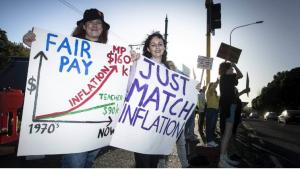 Many North Island schools shut as teacher strike bites...
 University of Otago proposes cutting 'several hundred' jobs following drop in enrolments...
 New Course by IITs: BTech in Chemical Engineering at IIT Indore...
-
 85 percent of Germans dissatisfied with the education system, survey reveals...
 Islamic University College congregation - Graduates charged to build social capital, explore busines...
 'It doesn't seem fair': Why millions of Aussies with student loans are about to be hit with more deb...
 Albanese announces new education deal with India...
-
 Students launch class action against James Cook University over unaccredited financial advice major...
 Spring budget 2023: free early years places extended but needs of children and staff must not be for...
 UK students are abandoning language learning so we are looking for a more creative approach...
 US FDA visits Andhra University Attends BioAsia 2023 in Hyderabad...
-
 International students navigate numerous barriers as they look to begin fall classes...
 Explained: Here are the rules are for international student travel from India...
 International Students and COVID-19 Vaccine Policy at U.S. Schools...
 Australia mulls green light system for international student pilot...
-
 Australia expected to open borders for international students under new ‘traffic light’...
 Travel, visa unaffected for international students in Canada...
 What Countries are Most Promising for International Students Now Amid COVID?...
 International students to return to SA after Parafield Airport quarantine hub gets approval...
-
 South Australia gets green light to bring back international students...
 NSW to welcome back international students under pilot quarantine plan...
 International students eligible for emergency payment in Australia...
 Education Ministry reviewing Covid-19 situation ahead of JEE, NEET date decision...
-
 Vice-chancellors call for borders to reopen – now...
 Colleges Say Students Must Get a Covid Vaccine. But No, Not That One....
 Explained: The challenges, and the solutions, for students going abroad ...
 South Australia approves plan for return of international students...
-
 Unis say vaccination must but long gap, no doses back home worry international students...
 CBSE Class 12 Board Exam 2021 Latest News: Exams CANCELLED; students MUST KNOW these MAJOR DEVELOPME...
 Hyderabad: Rise in student trials to study abroad in 2021...
 India-UK partnership must be truly bilateral, with talent and resources flowing in both directions...
-
 IRCC provides more clarity on eligibility criteria for six new immigration pathways...
 Indian students enrolled in Canada stranded, seek priority vaccination...
 Higher education institutions in Canada can now share cybersecurity threats internationally...
 'Board Exam Cancellation : Supreme Court To Hear Plea Today...
-
 30 Minutes Paper For CBSE Class 12 Board Exams, Education Minister To Announce Dates on June 1...
 Study Abroad Market: Evolving Trends...
 GRE: Plan For The Future...
 World's Largest International Education Conference Will Be Virtual for 2021...
-
 Canada should support diversity in STEM to encourage innovative research...
 Manitoba PNP draw: 232 immigration candidates invited...
 World University Of Design Signs MoU With University Of Reading...
 The world as the classroom...
-
 Edtech: The Pinnacle Of Education Space?...
 Internationalisation Of Higher Education: Benefits And Challenges...
 Designated School Officials: What International Students Need to Know...
 Colleges Requiring a Coronavirus Vaccine for Fall...
-
 Education Minister Interact With Directors Of IITs, NITs, Others Today...
 Parliamentary committee publishes study on COVID impact on Canadian immigration...
 Canada planning to reopen U.S. border...
 Ontario holds first International Student stream draw...
-
 Australia at a crossroads: will international students hold out for borders to open?...
 Classrooms without borders: Global education gets a boost as students and faculty participate in cou...
 US public has mixed views on foreign student recruitment...
 Pandemics Dire Global Impact on Education...
-
 Second wave grounds students' study-abroad plans...
 Express Entry: Couples and the Comprehensive Ranking System...
 Australian universities are pushing the government to reopen borders this year and bring back intern...
 The next chapter of international education is being written now...
-
 Allowing more international students into the US would be a win-win...
 Hospitality work extension in Australia welcomed but 408 visa move questioned...
 How is teaching in an international school different from that of a regular school?...
 Global Schools Foundation contributes 500 oxygen concentrators to India...
-
 Delivering his second pandemic Budget, Treasurer Josh Frydenberg declared that migration planning le...
 International graduates from Canada: Do not lose hope...
 International students in hospitality and tourism can soon work more than 40 hours. But advocates sa...
 Telangana SSC Results 2021: All Class 10 students pass, grades based on internal assessment...
-
 Challenges in Indian education system due to Covid-19 pandemic...
 UGC issues clarification against fake news on examination guidelines...
 Should business-school hopefuls skip the GMATs?...
 More work hours for international students in Australia...
-
 Indian students in Canada to benefit for country’s latest one-time immigration programme for ...
 Making Global Connections: UK Students’ Learning Enriched by Virtual International Encounters...
 IDP Regional Director on the dos and don't for students aspiring to study abroad amid a pandemic...
 Immigration programs for international student grads in Canada...
-
 GBP 17 million announced to improve mental health and wellbeing support in schools and colleges...
 A-level and GCSE grade inflation ' inevitable in English system '...
 We are all marking late at night : teachers on Englands new grading system...
 Rajasthan: Oxygen Cylinders In School Laboratories To Be Used For Fight Against COVID-19...
-
 University Of Allahabad To Promote UG, PG Intermediate Semester Students Without Exams; Releases Gui...
 UGC directs universities to not conduct offline exams in May 2021...
 Will CBSE Class 12 exam be cancelled?...
 Could Canada reopen fully to international students by 2023?...
-
 New Canadian PR pathway excludes migrants, international students: survey...
 Harvard University makes vaccination mandatory for students, international students to be offered ja...
 Mott Gift Expands International Experience Opportunities for Students...
 Canada: concern after talk of Ontario student travel ban...