



Zimbabwe’s Higher and Tertiary Education Minister Professor Amon Murwira has challenged institutions of higher learning to adopt international best practices and raise their overall institutional quality, including student accommodation, as a first step towards the development of a national institutional framework for the internationalisation of higher education.
In reference to the squalid conditions in which many students reside due to chronic shortages of campus accommodation, Murwira told a conference, held last week in Harare and focused on internationalisation of the sector, that the system needs to construct infrastructure that conforms to international standards before it can invite students and staff as part of internationalisation initiatives.
“We are also saying if you want to be truly international, we cannot have our students studying in holes. Surely you cannot claim to be international when your students are sleeping 10 to a room … Infrastructure development is a very important component of internationalisation,” said Murwira.
Murwira said the country’s higher and tertiary education system must also have predictable order, be transparent and harmonised. “We no longer want an opaque system. If you want to be trusted, be transparent,” he said.
Investor interest
The minister said the higher education sector can raise billions of dollars and build its own infrastructure following renewed investor interest in the sector and responsible deployment of available resources such as the Zimbabwe Manpower Development Fund.
“I know that we are going to raise billions of dollars and the higher and tertiary education sector shall be an area of growth in the economy, creating infrastructure, innovations, economic opportunities and jobs for export. I’m dreaming of a future where the sector becomes the prime export industry.”
He said when the country has transparent education systems, relevant skills, infrastructure that is top-notch and has adopted international best practices in everything it does, then it was ready for the world.
As a strategy to promote internationalisation, Murwira said his ministry had facilitated the development of a National Qualifications Framework that will harmonise learning programmes and learner mobility within and outside Zimbabwe, and a National Skills Audit, the results of which show an urgent need to bridge the skills gaps. The two initiatives will be launched in the coming weeks.
Progression and standardisation
“The National Skills Audit is showing us that although we have high education levels, our skills levels are only at 38%. Also, our system was not very fair: when one finished a course at a polytechnic or teacher training college and then went to university, one would be treated like an Advanced Level student. The system must recognise work being done by other components of itself. We want to ensure there is progression and that our courses are standardised across the system. Every degree must have a professional body,” he added.
Dr Evelyn Garwe, acting director of the Zimbabwe Council for Higher Education, the country’s higher education regulator, which is overseeing the internationalisation process, said university vice-chancellors met last year and developed a theory of change on internationalisation of higher and tertiary education.
She said the internationalisation of higher and tertiary education entailed the recruitment of foreign students, fostering active partnerships with foreign institutions, sending students to study abroad, setting up overseas campuses for local institutions, international research collaborations, engagement in global enterprise development and participation on international platforms for teaching and research.
Professor Ranga Zinyemba, vice-chancellor of Chinhoyi University of Technology, said universities had come up with “tangible outputs” to achieve internationalisation.
“As universities we have come up with tangible outputs to achieve our goal to internationalise. This includes attractive programmes, favourable immigration and government policies, systems which give foreign staff the ability to remit money, political stability and having our staff publish in high impact journals,” he said.
Furthermore, universities must develop harmonised programmes and achieve favourable international rankings, he said.
In response to the minister’s comments, Zinyemba said the higher education sector was clearly dissatisfied with its current state and condition, but with clear vision, commitment, togetherness, friends and experience, it could triumph over its challenges.
Challenges
Dr Juliet Thondhlana, researcher at the University of Nottingham in the United Kingdom, who conducted a scoping study on internationalisation of higher and tertiary education in December 2017 covering six of the country’s 24 universities, said many universities were already engaged in internationalisation activities and had some internationalisation structures, but many of them were facing challenges.
“Some of the challenges include the political environment, sanctions, different entry requirements from other institutions of higher learning in the Southern African Development Community region and beyond, immigration controls, financial constraints, language barriers, shortages of lecturers with PhDs and a lack of harmonised guidelines on internationalisation of higher education that universities can follow to come up with their own institutional policies,” said Thondhlana.
To achieve internationalisation, the universities called for policy guidelines, a national internationalisation policy, internationalisation structures such as international offices, and overseas campuses.
“It was felt that if these tools can be secured, Zimbabwe would then have an increased presence of international students and staff, and mobility.”

Source link: http://www.universityworldnews.com/article.php?story=20180704170817210 | https://www.google.co.in/search?q=HE+must+look+inwards+before+turning+outwards+%E2%80%93+Minister&rlz=1C1CHBF_enIN790IN790&source=lnms&tbm=isch&sa=X&ved=0ahUKEwipz4_A05TcAhWJbVAKHao9AgsQ_AUICigB&biw=1366&bih=613#imgrc=g16CYIbu9w9x3M:
-
 Unpacking the data: Australia’s public university caps...
 US & Japan launch $110m AI partnerships...
 VICTORIA UNIVERSITY OPENS ITS FIRST CAMPUS IN BRISBANE...
 Florida Is No 1 in Education, but Some Give DeSantis an 'F' for Reforms...
-
 Norway confirms end of free non-EU tuition to dismay of student groups...
 University of Waikato proposing staff cuts to IT, maths departments...
 Otago University withheld extent of financial straits from staff...
 'Stealing from the future': Victoria University students, academics rally against proposed cuts...
-
 Cost-of-living boost for parents as free schoolbooks scheme expanded...
 ATU: More than 600 programmes, from pre-degree to doctoral level...
 Higher Options and Worldskills Ireland events to run side-by-side in RDS next September...
 Prime Minister to inaugurate medical college in Silvassa on April 25-Education News...
-
 IIT Jodhpur starts a specialised MBA programme (online) in FinTech and Cybersecurity for working pro...
 LPU listed among world's top universities alongside Harvard and Oxford-Education News...
 NEET Exam Postponed for Students with Test Centres in Violence-Hit Manipur-Education News...
 Makhanlal Chaturvedi University, UNFPA to include gender concerns in curriculum-Education News...
-
 A "pathway to Finland" - the boost needed for its 2030 goal?...
 Security of online proctoring - lessons from the pandemic for test providers and accepting instituti...
 "Education fever": changing international study trends in South Korea...
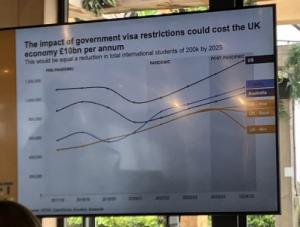 Visa restrictions could cost UK £10 billion yearly...
-
 Australia consulting on upcoming changes in overseas student reform...
 UK's international recruitment boom 'unsustainable' – IHEC...
 Migration row: new data shows value of foreign students...
 The cost of being a 'public good academic' in South Africa...
-
 Australia, Canada dominate this year's THE Impact Rankings...
 Australia: Over 1 lakh Indian students to benefit from post-study work visa...
 NMIMS, Virginia Tech in US to offer India's first dual-degree master's programme in Economics...
 64 Indian universities make it to the Center for World University Rankings 2023...
-
 IIT Kanpur Launches 'Online Rural Education Initiative' to Bridge Educational Gap in Uttar Pradesh...
 Canada Approves TOEFL iBT for Student Direct Stream, Introduces Shorter Test Duration...
 Establishment of entrepreneurial universities urgent...
 China overtakes US in contributions to nature and science journals...
-
 Third G20 Education Working Group meet to be held in Bhubaneswar from April 27-29...
 International students need more help with employability...
 International student recruitment hit by dependants' ban...
 Victorian students reading scores went backwards amid long remote learning period, international stu...
-
 United Kingdom bars most international students from bringing family ...
 Australian universities ban Indian students from THESE 5 states amid visa fraud...
 University of Ghana Approves 2% Discount on Fees For Selected Categories of Students...
 Indian universities eyeing African and Gulf nations, Thailand, Vietnam to set up offshore campuses: ...
-
 Some foreign universities doubling up as centres of subversive anti-India activities: VP Dhankhar ...
 Indian students in UK bring net positive impact, report finds amid fears of crackdown ...
 HE budget increased, but universities still under pressure...
 False affiliations boost Saudi university rankings - Report...
-
 New recognition convention boosts HE mobility, integration...
 Danish universities emerge as top Horizon grant recipients...
 Economy fuels debate over fund's exclusion of private HE...
 Rule aims to limit students seeking skills training abroad...
-
 Number of students studying abroad triples over 16 years...
 New HE legislation opens door to foreign branch campuses...
 Academic freedom violations in public institutions are increasing...
 College Board to Revise African American AP Course Again, Admits to Cowing to Conservative Pressure...
-
 CWUR ranking: ELTE is the leading university in Hungary, but other Hungarian universities are also o...
 Hungary's largest private education institution MCC purchases top private university in Austria...
 100 global entities to attend Riyadh education, science forum...
 Gulf focus on education praised by Riyadh forum...
-
 HEA Conference - 'Supporting Success through Wellbeing in Higher Education'...
 Ministry of Education announces program for tackling peer bullying...
 Turkiye's education council starts int'l research support programs...
 Hybrid education model starts in Turkish universities...
-
 Turkish, Pakistani universities ink joint research collaboration...
 4 Turkish universities to launch vocational cybersecurity schools...
 Egypt to enrol international students fleeing Sudan...
 Global Reach partners with E2 on test prep...
-
 Africa in focus at UK ENIC conference...
 IIT Madras to open first campus in East Africa...
 Why the Next Wave of International Students May Come From Africa...
 The next digital leap for higher education institutions...
-
 Hanken School of Economics introduces English Bachelor's Program and appoints new vice-rectors...
 Helsinki proposes more flexibility for applying to high schools - new high school on the way too!...
 Overhaul of certificate-based admission to universities planned for 2026...
 Education Fair to enable students meet and talk with education providers...
-
 Network's industry partnerships secure jobs for graduates...
 Technology: The best teaching assistant the world has seen?...
 Universities urged to diversify overseas target markets...
 Local university enrolments drop as foreign students return...
-
 US leads in 32 subjects and UK in 14 in new QS rankings...
 Supreme Court allows medical students a second chance...
 'Window of opportunity' is beckoning for HE in Africa...
 Students who flout rules on wearing hijab will be banned...
-
 Saudi-Iran diplomacy offers hope for Yemen's universities...
 New internationalisation target aims for 400,000 foreign students...
 China seeks return to pre-COVID academic exchange levels...
 Stricter rules aim to curb new private university numbers...
-
 Ministry restores skills study abroad permit - with proviso...
 Student mobility from Sub-Saharan Africa could double by 2050...
 International students deterred by high cost of living...
 Universities open their doors to students who escaped Sudan...
-
 US$1bn to be invested in university sustainability research...
 Africa strives to revamp its universities...
 UK inflation: Study abroad journey for Indians gets tougher amid struggle for affordable living...
 UK govt mulls letting international students work more part-time hours...
-
 Starting July, Australia will limit work hours for foreign students, allow extension of post-study w...
 Universities race to recapture lucrative international students...
 Australian Universities See Students at Pre-Covid Levels by 2025...
 Australian Prime Minister Anthony Albanese to strengthen ties with India in upcoming visit...
-
 Indian students face restrictions from five Australian universities amidst surge in fraudulent appli...
 Australian University Denies Claims of Indian Student Applications Ban...
 Australia to Overhaul Immigration System, Smooth Entry for Skilled Workers...
 SNP 'failing abysmally' as university and colleges suffer £13m drop in funding...
-
 6 Hungarian Universities Sue EU for Freezing Funds...
 Mobility championed by UK ed minister...
 Florida Is No 1 in Education, but Some Give DeSantis an 'F' for Reforms...
 International demand for undergrads from SP Jain's Class of 2022...
-
 University of Strathclyde invites applications for International Scholarships Postgraduate Taught...
 New research reveals pros and cons for international talents in Finland: Challenges and opportunitie...
 Haaga - Helia offers exchange study places for Ukrainian students...
 Over 30,000 applicants apply for Helsinki University programs in joint application process...
-
 International students may have to learn Dutch to study here...
 These elite American universities are actually a bargain...
 India and Canada discusses mutual recognition of educational qualifications on dual degrees...
 More than 50,000 unfilled teaching positions in German schools...
-
 MPs push to ease student debt burdens as record Help loan indexation looms...
 Many North Island schools shut as teacher strike bites...
 University of Otago proposes cutting 'several hundred' jobs following drop in enrolments...
 New Course by IITs: BTech in Chemical Engineering at IIT Indore...
-
 85 percent of Germans dissatisfied with the education system, survey reveals...
 Islamic University College congregation - Graduates charged to build social capital, explore busines...
 'It doesn't seem fair': Why millions of Aussies with student loans are about to be hit with more deb...
 Albanese announces new education deal with India...
-
 Students launch class action against James Cook University over unaccredited financial advice major...
 Spring budget 2023: free early years places extended but needs of children and staff must not be for...
 UK students are abandoning language learning so we are looking for a more creative approach...
 US FDA visits Andhra University Attends BioAsia 2023 in Hyderabad...
-
 International students navigate numerous barriers as they look to begin fall classes...
 Explained: Here are the rules are for international student travel from India...
 International Students and COVID-19 Vaccine Policy at U.S. Schools...
 Australia mulls green light system for international student pilot...
-
 Australia expected to open borders for international students under new ‘traffic light’...
 Travel, visa unaffected for international students in Canada...
 What Countries are Most Promising for International Students Now Amid COVID?...
 International students to return to SA after Parafield Airport quarantine hub gets approval...
-
 South Australia gets green light to bring back international students...
 NSW to welcome back international students under pilot quarantine plan...
 International students eligible for emergency payment in Australia...
 Education Ministry reviewing Covid-19 situation ahead of JEE, NEET date decision...
-
 Vice-chancellors call for borders to reopen – now...
 Colleges Say Students Must Get a Covid Vaccine. But No, Not That One....
 Explained: The challenges, and the solutions, for students going abroad ...
 South Australia approves plan for return of international students...
-
 Unis say vaccination must but long gap, no doses back home worry international students...
 CBSE Class 12 Board Exam 2021 Latest News: Exams CANCELLED; students MUST KNOW these MAJOR DEVELOPME...
 Hyderabad: Rise in student trials to study abroad in 2021...
 India-UK partnership must be truly bilateral, with talent and resources flowing in both directions...
-
 IRCC provides more clarity on eligibility criteria for six new immigration pathways...
 Indian students enrolled in Canada stranded, seek priority vaccination...
 Higher education institutions in Canada can now share cybersecurity threats internationally...
 'Board Exam Cancellation : Supreme Court To Hear Plea Today...
-
 30 Minutes Paper For CBSE Class 12 Board Exams, Education Minister To Announce Dates on June 1...
 Study Abroad Market: Evolving Trends...
 GRE: Plan For The Future...
 World's Largest International Education Conference Will Be Virtual for 2021...
-
 Canada should support diversity in STEM to encourage innovative research...
 Manitoba PNP draw: 232 immigration candidates invited...
 World University Of Design Signs MoU With University Of Reading...
 The world as the classroom...
-
 Edtech: The Pinnacle Of Education Space?...
 Internationalisation Of Higher Education: Benefits And Challenges...
 Designated School Officials: What International Students Need to Know...
 Colleges Requiring a Coronavirus Vaccine for Fall...
-
 Education Minister Interact With Directors Of IITs, NITs, Others Today...
 Parliamentary committee publishes study on COVID impact on Canadian immigration...
 Canada planning to reopen U.S. border...
 Ontario holds first International Student stream draw...
-
 Australia at a crossroads: will international students hold out for borders to open?...
 Classrooms without borders: Global education gets a boost as students and faculty participate in cou...
 US public has mixed views on foreign student recruitment...
 Pandemics Dire Global Impact on Education...
-
 Second wave grounds students' study-abroad plans...
 Express Entry: Couples and the Comprehensive Ranking System...
 Australian universities are pushing the government to reopen borders this year and bring back intern...
 The next chapter of international education is being written now...
-
 Allowing more international students into the US would be a win-win...
 Hospitality work extension in Australia welcomed but 408 visa move questioned...
 How is teaching in an international school different from that of a regular school?...
 Global Schools Foundation contributes 500 oxygen concentrators to India...
-
 Delivering his second pandemic Budget, Treasurer Josh Frydenberg declared that migration planning le...
 International graduates from Canada: Do not lose hope...
 International students in hospitality and tourism can soon work more than 40 hours. But advocates sa...
 Telangana SSC Results 2021: All Class 10 students pass, grades based on internal assessment...
-
 Challenges in Indian education system due to Covid-19 pandemic...
 UGC issues clarification against fake news on examination guidelines...
 Should business-school hopefuls skip the GMATs?...
 More work hours for international students in Australia...
-
 Indian students in Canada to benefit for country’s latest one-time immigration programme for ...
 Making Global Connections: UK Students’ Learning Enriched by Virtual International Encounters...
 IDP Regional Director on the dos and don't for students aspiring to study abroad amid a pandemic...
 Immigration programs for international student grads in Canada...
-
 GBP 17 million announced to improve mental health and wellbeing support in schools and colleges...
 A-level and GCSE grade inflation ' inevitable in English system '...
 We are all marking late at night : teachers on Englands new grading system...
 Rajasthan: Oxygen Cylinders In School Laboratories To Be Used For Fight Against COVID-19...
-
 University Of Allahabad To Promote UG, PG Intermediate Semester Students Without Exams; Releases Gui...
 UGC directs universities to not conduct offline exams in May 2021...
 Will CBSE Class 12 exam be cancelled?...
 Could Canada reopen fully to international students by 2023?...
-
 New Canadian PR pathway excludes migrants, international students: survey...
 Harvard University makes vaccination mandatory for students, international students to be offered ja...
 Mott Gift Expands International Experience Opportunities for Students...
 Canada: concern after talk of Ontario student travel ban...